










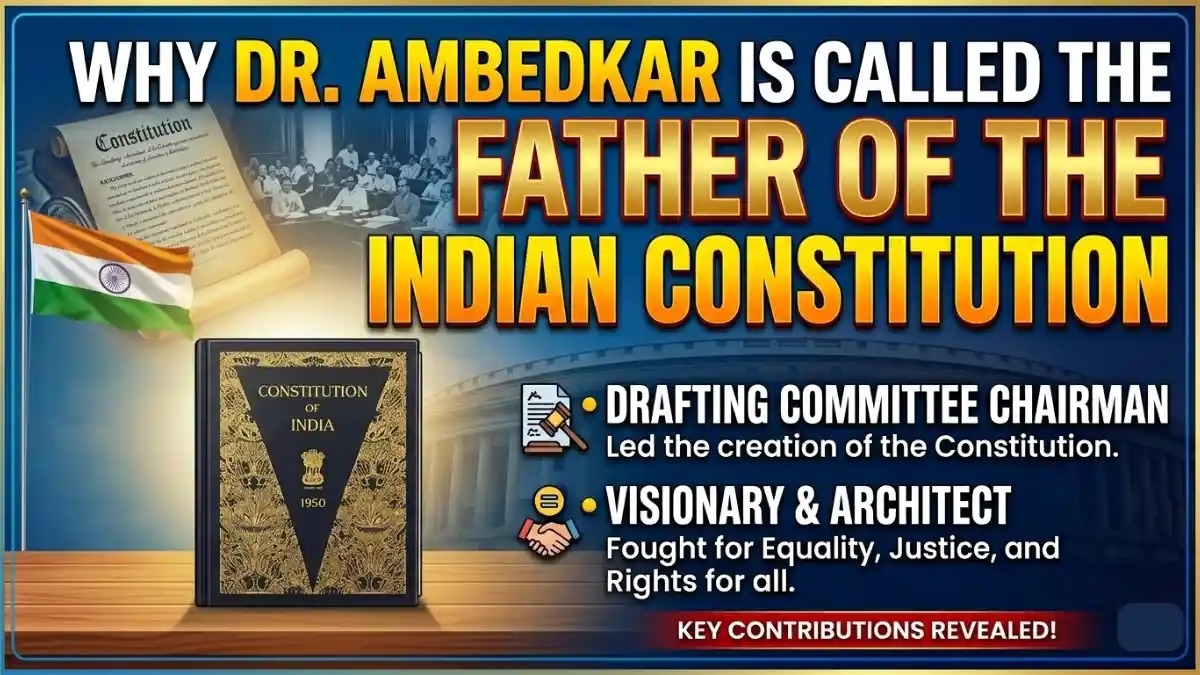
विशेष संपादकीय विश्लेषण: Why Dr. Ambedkar is called the Father of the Indian Constitution भारतीय संविधानाचे ‘जनक’ आणि ‘शिल्पकार’ का मानले जातात?
भारतीय संविधानाचे जनक म्हणून डॉ. बाबासाहेब आंबेडकर यांचे नाव घेताना ते केवळ एक प्रतीकात्मक सन्मान किंवा भावनिक आदर म्हणून घेतले जात नाही. तर, संविधान निर्मितीच्या प्रक्रियेत त्यांनी बजावलेली अपरिहार्य आणि अत्यंत महत्त्वाची भूमिका, त्यांनी केलेले संविधानाचे रक्षण आणि शेवटपर्यंत दिलेला लढा यामुळे त्यांना हा बहुमान प्राप्त झाला आहे. जेव्हा देशासाठी संविधानाचे महत्त्व सर्वोच्च होते, तेव्हा डॉ. बाबासाहेब आंबेडकर यांनीच खऱ्या अर्थाने संविधानाची धुरा आपल्या खांद्यावर वाहिली होती. हे केवळ कोणाचे वैयक्तिक मत नसून ऐतिहासिक नोंदी आणि घटना परिषदेच्या कागदपत्रांवरून सिद्ध झालेले वास्तव आहे.
मसुदा समितीचे वास्तव आणि डॉ. आंबेडकरांची भूमिका
२९ ऑगस्ट १९४७ रोजी डॉ. बाबासाहेब आंबेडकर यांची मसुदा समितीच्या (Drafting Committee) अध्यक्षपदी अधिकृतपणे नियुक्ती करण्यात आली. कागदावर ही समिती इतर अनेक समित्यांप्रमाणेच वाटत असली तरी, प्रत्यक्षात या समितीवर सर्वात मोठी जबाबदारी होती. अनेक वर्षांच्या चर्चा, विविध अहवाल आणि राजकीय ठराव यांना एका कायदेशीर आणि अंमलबजावणीयोग्य संविधानाच्या चौकटीत रूपांतरित करण्याचे काम या समितीला करायचे होते. यासाठी केवळ कायद्याचे सखोल ज्ञान असून चालणार नव्हते, तर जागतिक संविधानांचा तुलनात्मक अभ्यास आणि भविष्यातील संभाव्य संघर्षांचा अंदाज घेण्याची क्षमता आवश्यक होती. डॉ. बाबासाहेब आंबेडकर हे आपल्या उच्चविद्युविभूषित पार्श्वभूमीमुळे या कामासाठी एकमेव आणि योग्य व्यक्ती होते.
अनेकदा चर्चेतून एक गोष्ट वगळली जाते ती म्हणजे मसुदा समिती प्रत्यक्षात कशी कार्यरत होती. या समितीत एकूण सात सदस्य होते. मात्र, त्यातील काही सदस्यांनी राजीनामा दिला, काहींचा मृत्यू झाला, तर काही सदस्य इतर कामांत व्यस्त असल्यामुळे किंवा प्रकृती अस्वास्थ्यामुळे उपलब्ध नव्हते. स्वतः डॉ. बाबासाहेब आंबेडकर यांनी २५ नोव्हेंबर १९४९ रोजी घटना परिषदेत दिलेल्या आपल्या शेवटच्या भाषणात या वस्तुस्थितीचा उल्लेख केला होता. त्यांनी स्पष्ट केले होते की, पर्याय उपलब्ध नसल्यामुळे त्यांना जवळपास एकट्यालाच मसुदा समितीचे संपूर्ण काम करावे लागले. हे विधान केवळ औपचारिक नव्हते, तर तो त्यावेळच्या कामाचा वस्तुनिष्ठ अहवाल होता.
घटना परिषदेतील चर्चा आणि डॉ. आंबेडकरांचे वर्चस्व
जर आपण घटना परिषदेतील चर्चांचे (Constituent Assembly Debates) बारकाईने वाचन केले, तर एक स्पष्ट आकृतीबंध समोर येतो. जेव्हा जेव्हा संविधानातील सर्वात कठीण आणि कळीचे प्रश्न समोर आले – मग ते मूलभूत अधिकार असोत, आरक्षण असो, अल्पसंख्याकांचे संरक्षण असो, कलम ३२ (ज्याला त्यांनी संविधानाचा आत्मा म्हटले) असो, किंवा केंद्र आणि राज्यांमधील अधिकारांची विभागणी असो – प्रत्येक वेळी डॉ. बाबासाहेब आंबेडकर खंबीरपणे उभे राहिले. त्यांनी प्रत्येक तरतुदीचे विश्लेषण केले, विरोधकांच्या शंकांचे निरसन केले आणि कायदेशीर तर्काच्या आधारावर संविधानाचे रक्षण केले. ही भूमिका त्यांनी केवळ एकदा किंवा दोनदा नाही, तर सलग तीन वर्षे पार पाडली.
डॉ. बाबासाहेब आंबेडकर यांनी केवळ पडद्यामागे राहून मसुदा तयार केला नाही, तर त्यांनी घटना परिषदेच्या सभागृहात संविधानातील प्रत्येक कलमाचा बचाव केला. त्यांनी हा बचाव भावनिक आवाहने करून नाही, तर कायदेशीर तर्कशास्त्र, जागतिक उदाहरणे आणि भविष्यातील घटनात्मक दूरदृष्टीच्या आधारावर केला. मुख्य मसुदाकार, मुख्य संरक्षक आणि मुख्य स्पष्टीकरण देणारा अशी त्रिविध भूमिका अन्य कोणाही नेत्याने इतक्या प्रभावीपणे बजावली नाही.
ऐतिहासिक इशारा आणि भविष्यातील आव्हाने
२६ नोव्हेंबर १९४९ रोजी जेव्हा संविधानाचा स्वीकार करण्यात आला, तेव्हा डॉ. बाबासाहेब आंबेडकर यांनी दिलेले भाषण केवळ उत्सवी स्वरूपाचे नव्हते. ते एक गंभीर इशारा देणारे भाषण होते. त्यांनी राजकारणातील ‘विभक्ती पूजा’ किंवा व्यक्तीपूजेच्या धोक्याबद्दल देशाला सावध केले होते. राजकीय लोकशाही मिळाल्यानंतर जर आपण सामाजिक आणि आर्थिक विषमता दूर केली नाही, तर ही लोकशाही धोक्यात येईल, असे त्यांनी स्पष्टपणे सांगितले होते. तसेच, सार्वजनिक जागरूकतेशिवाय घटनात्मक नैतिकता (Constitutional Morality) टिकून राहू शकत नाही, हा त्यांचा इशारा आजही तितकाच सुसंगत आणि विचार करायला लावणारा आहे.
अपरिहार्य योगदान
संविधान निर्मितीमध्ये अनेकांनी आपले विचार, दृष्टिकोन आणि टीका मांडली, हे नाकारता येणार नाही. परंतु, राजकीय आश्वासनांचे रूपांतर कायदेशीर अधिकारांमध्ये करणे, संविधानाची नेमकी भाषा तयार करणे, त्यात वारंवार सुधारणा करणे आणि शेवटच्या दिवसापर्यंत प्रत्येक कलमाचे संरक्षण करणे हे प्रचंड कठीण काम अंतिम टप्प्यात डॉ. बाबासाहेब आंबेडकर यांनीच पूर्ण केले. म्हणूनच इतिहासकार त्यांना केवळ ‘एक योगदान देणारे’ म्हणत नाहीत, तर ते त्यांना ‘अपरिहार्य’ (Indispensable) मानतात.
डॉ. बाबासाहेब आंबेडकर यांना ‘भारतीय संविधानाचे जनक’ म्हणणे हा केवळ सन्मान नाही, तर भारतीय संविधानाच्या निर्मितीच्या प्रक्रियेतील ऐतिहासिक सत्याचा प्रांजळ स्वीकार आहे. त्यांच्याशिवाय भारतीय संविधानाचे हे सर्वसमावेशक स्वरूप अस्तित्वात येणे अशक्य होते.
मूळ इंग्रजी लेख
Why Dr. Ambedkar is called the Father of the Indian Constitution
Because when it mattered most, the Constitution was carried largely by him.
That isn’t opinion, it’s on record.
Dr B. R. Ambedkar is called the Father of the Indian Constitution, not as a symbolic honour and not out of sentiment. Still, because of the indispensable and disproportionate role he played in drafting it, defending it, and seeing it through till the end.
Before someone jumps in to say it’s an exaggeration, it isn’t.
This is not hero-worship, and this is not my personal opinion. This is strained from the Constituent Assembly Records.
Dr Ambedkar was formally appointed Chairman of the Drafting Committee on 29 August 1947. On paper, this was one committee among many. But in reality, this committee carried the heaviest responsibility of converting years of debates, reports, and political resolutions into a single, enforceable constitutional text. That work required deep legal training, comparative constitutional knowledge, and the ability to anticipate future conflicts. Dr Ambedkar was uniquely equipped for this.
What is often left out is how the Drafting Committee actually functioned. Although it had seven members, several resigned, passed away, or were frequently unavailable due to other responsibilities. By Dr Ambedkar’s own account, the drafting process ended up functioning largely through him.
In his final speech to the Constituent Assembly on 25 November 1949, he said that he had to function almost as the Drafting Committee himself because there was no alternative. That statement is on record. It was not a rhetorical flourish and not said for effect. It was the factual description of how the work unfolded.
If you read the Constituent Assembly Debates, a clear pattern becomes impossible to ignore. Whenever the most difficult constitutional question arose, for example, fundamental rights, reservations, minority protections, Article 32, the federal structure, the balance between parliamentary power and constitutional supremacy, it was Dr Ambedkar who stood up. He explained the provisions, defended them, answered criticisms from all sides, and very often brought the debate to a close. Not occasionally. Repeatedly. Over the years.
Dr Ambedkar did not merely draft clauses in the background. He defended the Constitution Clause by clause on the floor of the Assembly, not emotionally, but with legal reasoning, comparative examples, and constitutional foresight. This combined role of the chief drafter, chief defender, and chief explainer was not performed by anyone else.
When the Constitution was finally adopted on 26 November 1949, Dr Ambedkar delivered the concluding address.
It was not celebratory in tone. It was deeply cautionary.
He warned against hero worship in politics, against social and economic inequality surviving alongside political equality,
and against the collapse of constitutional morality without public vigilance.
Those warnings remain disturbingly relevant even today.
Yes, many people contributed ideas, perspectives, and critiques.
That is undeniable. But turning political promises into enforceable rights, drafting precise legal language,
revising it again and again, and defending it provision by provision until the very last day,
that burden was carried almost entirely by Dr Ambedkar in the final and most demanding phase.
That is why historians do not say he was the “only” contributor. They say he was the indispensable one.
Calling Dr B. R. Ambedkar the Father of the Indian Constitution is not emotional.
It is simply being honest about how the Constitution actually came to be.
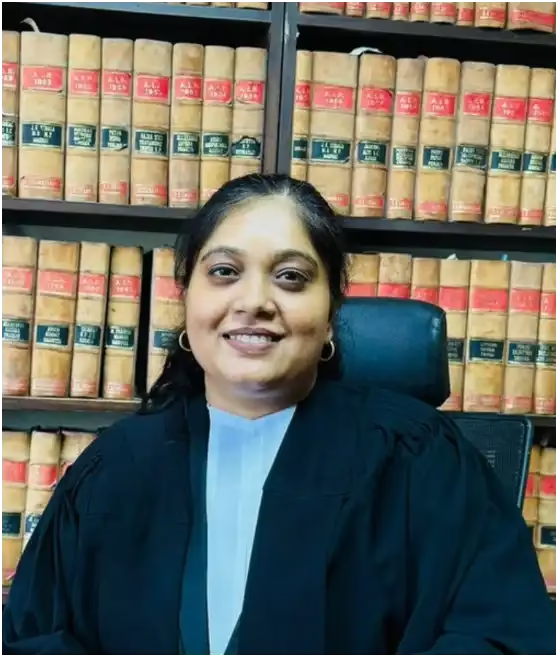
पायल गायकवाड
नागपूर आणि दिल्लीस्थित सर्वोच्च न्यायलयाच्या वकील, संवैधानिक कायदा आणि सामाजिक न्याय विषयातील तज्ज्ञ
Support Jaaglyabharat.com, – Your Small Contribution, A Big Step Towards Change!
जागल्याभारत अतिशय कमी रिसोर्स मध्ये काम करत आहे. दुसरीकडे बलाढ्य मेनस्ट्रिम मिडिया (प्रसार माध्यमे) जी सातत्याने फेक न्यूज चालवत असतात,आणि शोषित वंचित समाजाचे प्रश्न दाबत असतात.त्यामुळे आपल्या मिडियाला बळ दिले पाहिजे.अशा परिस्थितीत स्वतंत्र, प्रामाणिक आणि लोकांच्या बाजूने उभा असलेला मीडिया टिकून राहणे अत्यंत कठीण झाले आहे. म्हणूनच आपला मीडिया मजबूत करणे ही आज काळाची गरज आहे.
जागल्याभारत कोणत्याही कॉर्पोरेट, राजकीय पक्ष किंवा सत्ताकेंद्राच्या दयेवर चालत नाही. आम्ही तुमच्यासाठी ज्ञान, बातम्या आणि वास्तव मांडतो—तेही कोणताही दबाव न घेता.
आरएसएस ज्या पद्धतीने गुरुदक्षिणा स्वीकारतो—ना व्यक्ती, ना नोंदणीकृत संघटना—त्याच धर्तीवर, तुम्हीही जागल्याभारतवर मिळणाऱ्या ज्ञान, बातम्या आणि माहितीच्या मोबदल्यात छोटीशी आर्थिक मदत देऊ शकता.
तुमची मदत ही केवळ आर्थिक पाठबळ नाही,
ती स्वतंत्र विचारांना दिलेली साथ आहे,
ती सामाजिक न्यायासाठी उभे राहण्याची भूमिका आहे,
ती फेक न्यूजविरोधातील लढ्यातील सहभाग आहे.
थोडीशी मदतही आमच्यासाठी अत्यंत मोलाची आहे.
जागल्याभारतला बळ द्या.
सत्याला बळ द्या.
At Jaaglyabharat.com, we’re committed to bringing you accurate, insightful news that you can trust. By making a small contribution, you help us continue delivering high-quality content, expanding our reach, and staying independent. Every bit of support keeps the news accessible and empowers us to do more.
Thank you for standing with us!
आपल्या जागल्याभारत या युट्यूब चॅनेल ला भेट द्या,सबसक्राईब करा. सपोर्ट करा.


आपल्या @jaaglyabharat या टेलिग्राम चॅनेलवर सहभागी व्हा,ताज्या अपडेट्स मिळवा
जागल्याभारत वर माफक दरात जाहिरात देण्यासाठी संपर्क करा
First Published by Team Jaaglya Bharat on APR 13,2026 | 15:10 PM
WebTitle – Why Dr. Ambedkar is called the Father of the Indian Constitution